
Introduction
A car does not have to be drivable to become a vehicle you can sell. A dead battery, failed transmission, damaged engine, flat tires, or accident damage can leave a vehicle sitting in a driveway, garage, or parking space for weeks. The longer it stays there, the more difficult it may feel to deal with it, especially if repairing it would cost more than the vehicle is worth to you. The good news is that a vehicle that cannot be driven may still be eligible for sale to a junk car buyer that offers vehicle pickup and towing. The key is finding a buyer equipped to collect the vehicle in its current condition and confirming the pickup arrangements before agreeing to a sale. For Indianapolis-area vehicle owners, Cash for Car King buys cars in various conditions, including non-running, damaged, and junk vehicles, and offers vehicle pickup, free towing, and payment on the spot when the vehicle is collected. The exact arrangements for a particular vehicle should be confirmed when requesting a quote.
Understanding how non-running vehicle pickup works can help you prepare the car, provide accurate information, avoid unexpected complications, and decide whether selling makes more sense than repairing it.
Can a Car That Cannot Be Driven Be Picked Up?
Yes. A car that cannot be driven can often be collected by a junk car buyer using a tow truck or another suitable recovery vehicle. The car does not necessarily need a working engine, a charged battery, or the ability to move under its own power. The important distinction is between a vehicle that cannot be driven and one that cannot be safely accessed or loaded. A car sitting in an open driveway may be straightforward to collect, while one trapped in a narrow garage, resting on damaged wheels, or located in a difficult parking position may require additional equipment or preparation.
What Does Non-Running Vehicle Pickup Mean?
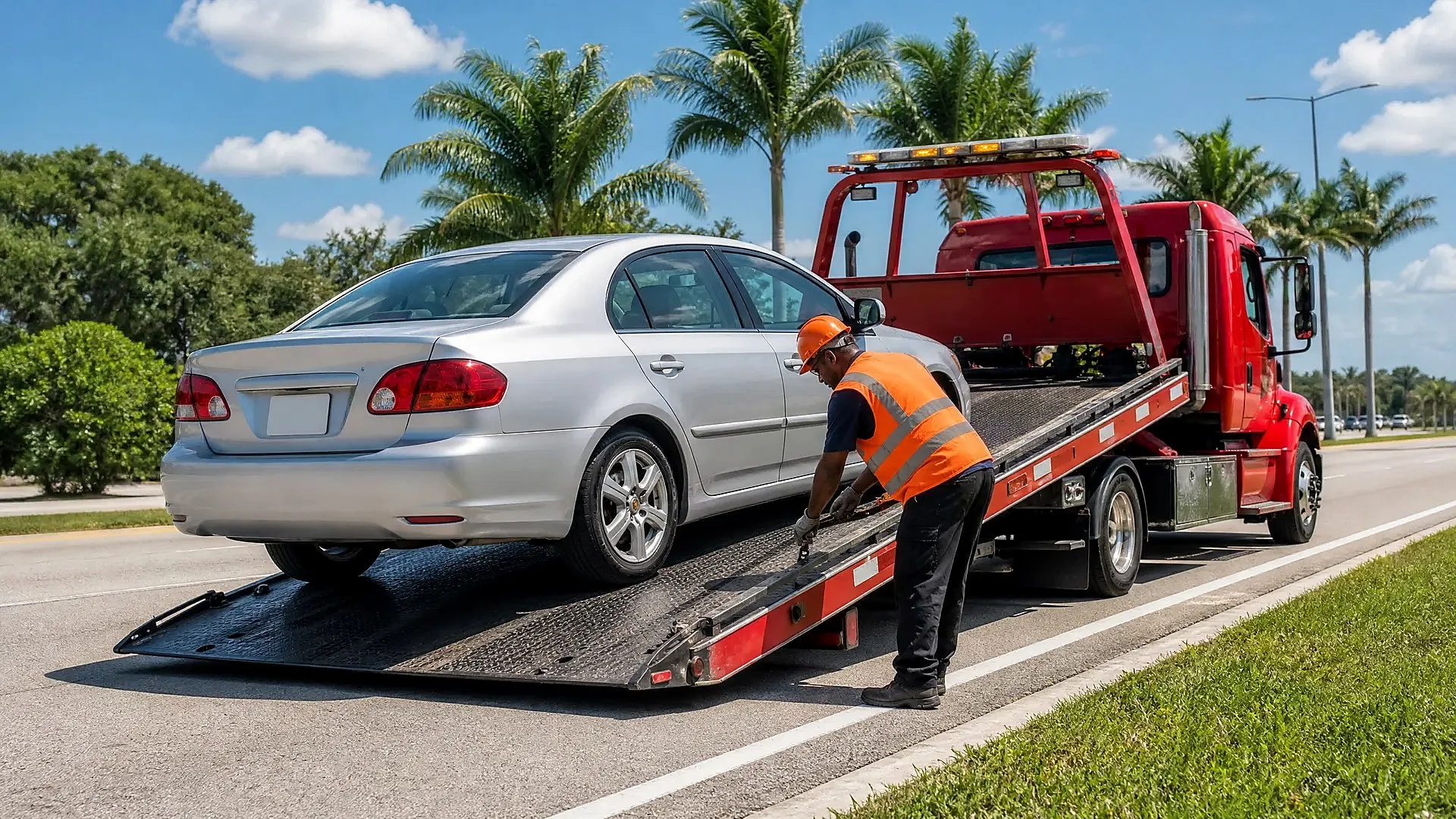
Non-running vehicle pickup is the process of collecting a vehicle that cannot start, move, or be safely driven to a buyer's location. Instead of requiring the owner to deliver the car, the buyer arranges transportation to remove it from its current location. Depending on the vehicle's condition, a tow truck may use a winch, wheel-lift equipment, a flatbed, or other appropriate loading equipment. The method depends on factors such as the car's position, wheel condition, ground clearance, damage, and accessibility. For the owner, this can remove the need to arrange separate transportation or spend money repairing a vehicle simply to move it.
What Types of Non-Drivable Vehicles May Qualify?
Different buyers have different purchasing requirements, but vehicles that may be considered for pickup include:
Cars with engine problems: Vehicles with seized engines, overheating damage, or major mechanical failures.
Cars with transmission problems: Vehicles that cannot shift properly or move under their own power.
Accident-damaged vehicles: Cars with collision damage that makes driving unsafe.
Vehicles with dead batteries: Cars that will not start because of a battery or electrical problem.
Cars with flat or missing tires: Vehicles that cannot be moved safely on their wheels.
Older junk cars: High-mileage vehicles with extensive wear, rust, or multiple mechanical problems.
Flood-damaged vehicles: Cars with water damage affecting electrical, mechanical, or interior components.
A vehicle's condition does not automatically determine whether it can be purchased. The buyer may need details about the damage, missing parts, title status, and pickup location before confirming eligibility and value.
Why a Non-Drivable Car May Still Have Value
A car that no longer runs can seem worthless, especially after a mechanic identifies a major repair. However, its inability to operate does not mean every part of the vehicle has lost its value. The potential selling price depends on the vehicle's make, model, year, condition, completeness, and the buyer's assessment. Market demand for usable parts and recyclable materials can also influence what a buyer is willing to offer.
The Value of Usable Parts
Even if an engine or transmission has failed, other components may remain usable. Depending on the vehicle, these could include body panels, wheels, interior components, electronic modules, mirrors, or certain mechanical parts. A buyer may consider the condition and demand for these components when evaluating the vehicle. However, not every part will be reusable, and the presence of potentially valuable components does not guarantee a particular offer.
Scrap Metal and Recycling Value
Vehicles contain steel, aluminum, and other materials that can enter recycling streams. Their material value can contribute to the overall assessment of an end-of-life vehicle. The amount a buyer offers may depend on current material prices, vehicle weight, transportation costs, processing expenses, and the vehicle's condition. This is one reason two cars that look similarly damaged may receive different offers.
Why Repairing the Car First May Not Make Sense
Before paying for repairs, compare the estimated repair bill with the vehicle's likely resale value and the cost of keeping it. For example, suppose a car needs a transmission replacement estimated at $2,800. If a reliable repair estimate and local market research suggest the repaired car would be worth only modestly more than the repair expense, investing in the vehicle may not be financially attractive. That does not automatically mean selling is the better choice. Consider the car's overall condition, whether you need a replacement vehicle, and whether a repair could restore dependable transportation. A quote from a buyer can help you compare the options without committing to a repair.
How Cash for Car King Pickup Works for a Non-Running Vehicle
Selling a vehicle that cannot be driven typically begins with sharing information about the car and arranging a collection. Preparing a few details in advance can make the process easier. Cash for Car King serves Indianapolis and nearby communities and purchases vehicles in a range of conditions. The company offers cash quotes, free towing, pickup, and payment when the vehicle is collected. Confirm the specific terms for your vehicle before scheduling a pickup.
Step 1: Provide Basic Information About the Vehicle
Start by identifying the vehicle as accurately as possible. A buyer will generally need information such as:
The vehicle's year, make, and model.
Whether the engine starts.
The main mechanical problems or visible damage.
Whether the vehicle has all four wheels and its major components.
The general pickup location.
Whether you have the title or other required ownership documents.
Be honest about its condition. If the engine is seized, the car has been in a collision, or a wheel is missing, disclose that information rather than describing the vehicle simply as an older car. Accurate details help the buyer evaluate the vehicle and determine what equipment may be needed to collect it.
Step 2: Request and Review a Cash Offer
After receiving the vehicle details, ask for a quote. The offer should reflect the information provided and any conditions the buyer explains. Ask whether the quote includes towing and whether any circumstances could change the amount. For example, substantial differences between the reported condition and the vehicle's actual condition may affect the final assessment. A clear explanation of the offer helps you compare it with other options. You are not required to accept an offer simply because you requested one.
Step 3: Confirm the Pickup Arrangements
If you decide to proceed, agree on a pickup time and location. Tell the buyer if the vehicle is in a garage, behind another car, on a steep driveway, or parked somewhere that limits access. Also mention any conditions that could complicate loading, including missing wheels, severe collision damage, low clearance, or a vehicle that cannot roll. These details matter because a standard tow truck may not be appropriate for every situation. Confirm the available equipment and any special requirements before the scheduled collection.
Step 4: Prepare the Vehicle and Documents
Before pickup, remove personal belongings from the cabin, trunk, glove compartment, and any storage areas. Check for important paperwork, garage remotes, toll transponders, and personal items that may be easy to overlook. Gather the ownership documents and identification required for the transaction under applicable rules. If you are unsure whether your paperwork is sufficient, ask before the pickup date rather than waiting until the tow truck arrives. You should also remove your license plates if required under Indiana's applicable procedures and follow the relevant Bureau of Motor Vehicles guidance.
Step 5: Complete the Sale and Vehicle Collection
When the tow operator arrives, confirm that the vehicle matches the agreed description and review any final sale paperwork. Verify the payment amount and method before completing the transaction. Cash for Car King advertises payment on the spot when the vehicle is collected. Confirm the exact payment arrangements in advance so you understand what to expect. Keep a copy of the bill of sale or other transaction records where applicable. Make sure the ownership transfer and any required notifications are handled according to Indiana requirements.
What If the Car Has Serious Damage or Cannot Roll?
A vehicle that cannot be driven is not necessarily difficult to tow, but certain conditions require more planning.
A Car With Flat Tires or Missing Wheels
A flat tire may be manageable with suitable loading equipment, but a missing wheel can make a vehicle harder to move. The tow operator may need to use dollies, skates, a winch, or other specialized equipment, depending on the circumstances. Tell the buyer which wheels are affected and whether the car can roll. Do not attempt to push or jack up a damaged vehicle yourself unless you have the appropriate equipment and training.
A Vehicle With Accident Damage
Collision damage can affect steering, suspension, wheel alignment, and structural components. Even if the engine still runs, the vehicle may be unsafe to drive. Explain where the damage is located and whether any wheels are bent, detached, or unable to turn. If airbags have deployed or the vehicle has significant structural damage, mention that as well. The tow operator can then assess the appropriate loading method. Keep people away from unstable vehicle components and any leaking fluids.
A Car Stuck in a Garage or Tight Space
Limited access can complicate collection even when a car is otherwise intact. A narrow garage, low ceiling, steep approach, or another parked vehicle may prevent a tow truck from positioning itself properly. Measure or describe the available space if possible, and send photographs if the buyer requests them. Ask whether the vehicle needs to be moved into an accessible area or whether the operator can handle the location as it stands. Never assume that every pickup arrangement includes difficult vehicle recovery. Confirm the requirements before agreeing to a time.
Does the Vehicle Need a Title to Be Picked Up?
Vehicle pickup and legal eligibility to sell are two different questions. A buyer may have the equipment to collect a non-running car but still need proof that the person selling it has the legal right to transfer ownership. In Indiana, title requirements depend on the circumstances, including the vehicle's ownership records and applicable exceptions. Do not assume that a missing title automatically makes a sale impossible, or that every buyer can accept a vehicle without one.
What to Do If You Have Lost the Title
If the title is missing, tell the buyer before scheduling collection. You may need to obtain a replacement title or provide other documentation permitted under Indiana law. The Indiana Bureau of Motor Vehicles can explain the applicable title replacement and transfer procedures. Resolving the paperwork question early helps avoid a failed pickup or a delay in completing the sale.
What If the Vehicle Belongs to Someone Else?
If the vehicle is jointly owned, inherited, held by an estate, or subject to a loan, additional documentation or authorization may be necessary. Do not sign someone else's name or assume that possession of the keys gives you the right to sell the car. Confirm who has legal authority to transfer ownership and whether a lien must be satisfied before the sale can proceed.
How to Get a Fair Offer for a Non-Running Car
The condition of a vehicle is only one factor in its value. A few straightforward steps can help you understand the offer and avoid confusion during the sale.
Describe the Vehicle Accurately
Give the buyer a clear account of the car's condition, including known mechanical problems, accident damage, missing components, and whether it can roll or steer. If you do not know the exact cause of a failure, say so. For example, explain that the engine will not start rather than claiming the engine has failed if no diagnosis has been performed. Photographs of the exterior, interior, damage, and any missing parts may help the buyer assess the vehicle more accurately.
Compare Offers on the Same Basis
If you request quotes from multiple buyers, compare the amount you will actually receive, not just the initial headline offer. Check whether towing is included, whether additional recovery charges apply, what documents are required, and when payment will be made. A slightly higher offer may be less attractive if it comes with substantial collection costs or unclear conditions.
Understand What Happens After Pickup
Ask how the sale will be documented and whether you need to complete any additional ownership-transfer steps. Remove your personal items, retain the transaction records, and follow the applicable procedures for license plates and vehicle registration. These steps protect you from confusion after the vehicle has left your property.
Common Misconceptions About Selling a Car That Does Not Run
Several assumptions can prevent vehicle owners from exploring a sale.
“If the Engine Is Dead, the Car Has No Value”
A failed engine can significantly affect value, but other components and recyclable materials may still have value. The actual offer depends on the vehicle and the buyer's assessment.
“I Must Repair the Car Before Selling It”
You generally do not need to repair a vehicle simply to request a quote from a buyer that purchases non-running cars. However, the buyer's eligibility requirements and the legal paperwork must still be satisfied.
“Every Tow Truck Can Pick Up Every Vehicle”
Different vehicles and locations call for different equipment. A car with missing wheels, severe collision damage, or restricted access may need specialized loading arrangements.
“Free Towing Means There Can Never Be Other Conditions”
A company may advertise free towing, but you should confirm exactly what the offer covers. Ask about difficult recoveries, inaccessible locations, or other circumstances that could affect the arrangement.
“I Can Sell the Car Without Checking the Paperwork”
Ownership and title requirements still matter. Confirm the documents needed for your situation before agreeing to a sale.
Conclusion
Cash for Car King offers pickup and free towing for vehicles sold through its Indianapolis-area cash-for-cars service, including vehicles that are non-running or damaged. This can be useful for owners who cannot safely drive a car to a buyer or do not want to invest in repairs before selling it. The best starting point is to describe the vehicle honestly, request a cash offer, and explain any challenges involving its wheels, damage, parking location, or accessibility. Before scheduling pickup, confirm the quote, towing terms, required documents, payment arrangements, and ownership-transfer steps. A car that cannot be driven may still have resale or recycling value. With accurate information and clear arrangements, you can determine whether selling it is a practical alternative to repairing or continuing to store it.
Frequently Asked Questions
1. Can you sell a car that does not run?
Yes. Many junk car buyers purchase vehicles with engine problems, transmission failures, dead batteries, or other mechanical issues. Eligibility and price depend on the vehicle's condition, ownership documentation, and the buyer's requirements.
2. Can a junk car be towed without starting it?
Yes. A suitable tow truck can often load a vehicle without a working engine. The operator may use a winch, flatbed, or other equipment depending on whether the car rolls, steers, and can be accessed safely.
3. How much is a non-running car worth?
The value depends on the vehicle's make, model, year, condition, completeness, parts demand, and recyclable material value. Requesting quotes from multiple buyers can help you understand the available offers.
4. Can I sell a junk car with a blown engine?
Often, yes. A blown engine does not automatically make the entire vehicle worthless. The buyer may evaluate the remaining components, overall condition, and potential recycling value.
5. Do I need to be present when my car is picked up?
Pickup requirements vary by buyer and transaction. Ask whether you must be present to verify ownership, sign paperwork, hand over keys, and receive payment, or whether an authorized representative can complete any part of the process.
6. Can a tow truck pick up a car with flat tires?
Often, yes, but the loading method depends on the number of flat tires, the vehicle's position, and whether its wheels can rotate. Tell the towing provider about the condition before scheduling pickup.
7. Can I sell a junk car without a title in Indiana?
The answer depends on the vehicle and the applicable ownership documentation rules. Contact the Indiana Bureau of Motor Vehicles or ask a qualified buyer what documentation is acceptable before arranging a sale.
8. Is towing included when selling a junk car?
Some junk car buyers offer free towing, while others may charge for collection or specialized recovery. Confirm whether towing is included in your specific offer and ask about any conditions that could affect the cost.
9. Should I repair my car before selling it for cash?
Not necessarily. Compare the estimated repair costs with the vehicle's likely value after repairs and the offer available in its current condition. A quote can help you make that comparison before spending money.
10. What should I remove from my car before it is towed away?
Remove personal belongings, important documents, garage remotes, toll devices, and other items you want to keep. Check the trunk and glove compartment, and follow applicable instructions for license plates, registration, and ownership-transfer paperwork.
