What Types of Vehicles Does Cash for Car King Buy for Cash?
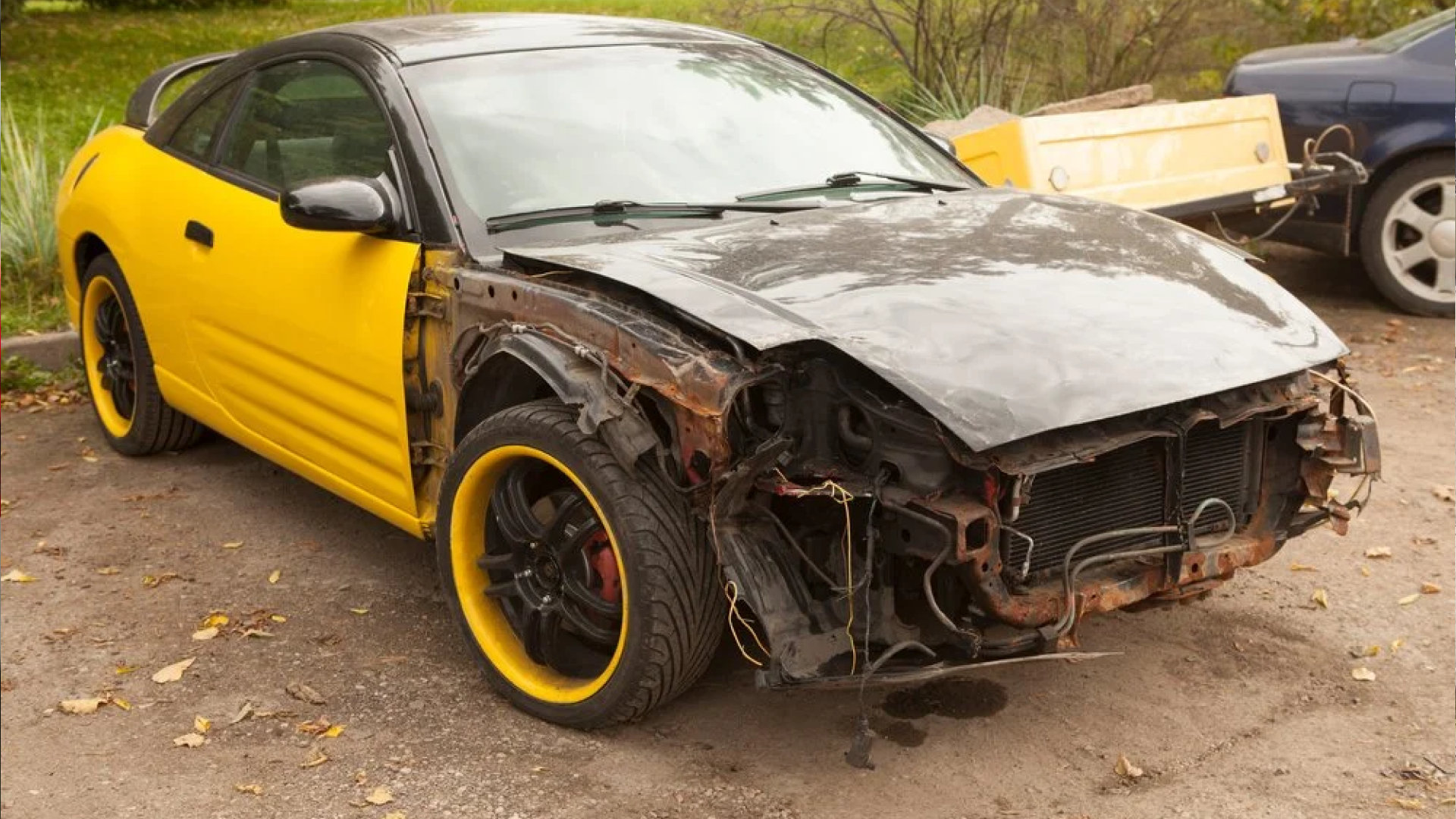
Selling an unwanted vehicle can be more complicated than it first appears. A car may be too old to justify repairs, damaged after an accident, sitting unused in a driveway, or simply no longer worth keeping. In many cases, owners assume they need to repair the vehicle before they can sell it. That is not always necessary.
Cash for Car King buys vehicles in a wide range of conditions throughout Indianapolis and nearby areas. The service is designed for owners who want a straightforward way to turn unwanted vehicles into cash without dealing with private-sale listings, repeated inquiries, or arranging transportation for a vehicle that may not be roadworthy.
So, what types of vehicles can you sell for cash? The answer includes many common categories, from junk cars and damaged cars to running and runnable vehicles. Understanding these categories can help you determine whether your vehicle may be a candidate for a cash offer and what information you should have ready before requesting one.
What Types of Vehicles Can You Sell for Cash?
Cash-for-car services generally work with vehicles that have value in their current condition. That value may come from the vehicle itself, its reusable components, its materials, or its potential for resale.
For Indianapolis vehicle owners, common examples include:
Older vehicles
Damaged cars
Unwanted vehicles
Non-running vehicles
Vehicles that are no longer practical to repair
The condition of the vehicle does not automatically determine whether it has value. A car that cannot be driven may still contain usable parts or materials, while an older running vehicle may have value as a used vehicle.
The key is to describe the vehicle accurately so its condition can be evaluated appropriately.
Junk Cars
A junk car is generally a vehicle that has reached the point where keeping or repairing it no longer makes practical sense. It may have extensive mechanical problems, severe body damage, a failed engine or transmission, or simply have been sitting unused for a long period.
Some junk cars still contain components that can be reused or materials that have value. That means an owner does not necessarily have to keep paying for storage or leave the vehicle sitting on private property.
If your vehicle is taking up driveway or garage space and you have already decided that you do not want it, selling it for cash may be worth considering.
Running Cars
Not every cash-for-car vehicle is a junker.
Running cars can also be sold for cash. This may make sense if you are replacing an older vehicle, have purchased another car, or simply want to get rid of a vehicle you no longer use.
A running vehicle can be particularly straightforward to evaluate because its operating condition provides useful information about its current value. Details such as the vehicle's age, condition, mileage, make, model, and overall usability can all affect an offer.
Selling a running car can also save you from the work involved in preparing it for a private sale.
Runnable Cars
There is a useful distinction between a vehicle that runs perfectly and one that is simply runnable.
A runnable vehicle may have mechanical or cosmetic problems but still be capable of operating or being moved under its own power. For example, it might have an aging engine, worn suspension, electrical problems, cosmetic damage, or other issues that make it less desirable as a daily driver.
Owners sometimes assume that a car must be in excellent condition before it can be sold. A cash-for-car service can provide an alternative for vehicles that are usable but no longer meet the owner's needs.
Damaged Vehicles
Accident damage can significantly change how an owner thinks about selling a vehicle. A car may have a damaged bumper, crushed body panels, broken lights, suspension damage, or more extensive collision-related problems.
Repairing the vehicle is not always the right choice for every owner. Before spending money on repairs, it can be useful to consider the vehicle's current condition and compare that option with selling it as-is.
Damaged vehicles may still have value because individual components and materials can be useful even when restoring the entire vehicle is not practical.
Can You Sell a Non-Running Vehicle for Cash?
A vehicle does not necessarily have to be operational to have value.
Non-running cars can have mechanical, electrical, accident-related, or age-related problems that prevent them from being driven. Some may have been sitting for months or years. Others may have failed suddenly and been left parked because the owner decided that the repair cost was not worthwhile.
When selling a non-running vehicle, be upfront about its condition. Information such as whether the engine starts, whether the vehicle can roll, and whether it has significant damage helps the buyer understand what will be involved in moving it.
What Happens if the Car Cannot Be Driven?
One common concern is transportation.
If a vehicle cannot be driven, taking it to a buyer can be difficult or expensive. Cash for Car King offers vehicle removal, which can make the process more practical for owners with vehicles that are not roadworthy.
Before pickup, provide accurate information about where the vehicle is located and its condition. If there are access restrictions, tight parking areas, or other circumstances that could affect removal, mention them in advance.
Does Vehicle Age Matter?
Older vehicles are another common category for cash-for-car transactions.
A vehicle does not suddenly become worthless because it has reached a certain age. Its condition, configuration, demand for its components, and overall usefulness can all influence its value.
Some older cars remain dependable transportation. Others become increasingly expensive to maintain as mechanical and electrical problems accumulate.
If you have an older vehicle that you no longer want, you do not necessarily need to invest in cosmetic improvements before exploring your selling options.
Older Cars With Mechanical Problems
An older vehicle with a failing transmission, engine problems, rust, electrical issues, or other repairs can be difficult to sell through a traditional private listing.
Potential buyers often want a vehicle they can drive immediately. A vehicle that requires substantial work can attract fewer serious buyers and lead to negotiations over repairs.
Selling the vehicle based on its current condition can be an alternative worth considering.
What About Cars With Cosmetic Damage?
Not all vehicle problems are mechanical.
Cars can develop dents, scratches, faded paint, broken trim, cracked lights, rust, and other cosmetic damage over time. A vehicle may still run properly while looking considerably older than it did when it was purchased.
Cosmetic damage does not automatically mean a vehicle has no value.
If the car is still operational but no longer worth spending money on, describing the damage accurately can help establish realistic expectations about its current condition.
Minor Damage vs. Major Damage
The type and extent of damage matter.
Minor cosmetic problems may have relatively little effect on the vehicle's usefulness. Major collision damage, structural problems, flooding, fire damage, or extensive rust can have a much greater impact.
Instead of assuming that a damaged vehicle cannot be sold, provide the available details and allow its current condition to be evaluated.
What Factors Can Affect the Value of a Vehicle?
The type of vehicle is only one part of the evaluation.
Several characteristics can influence what a buyer may offer for a vehicle:
Make and model
Vehicle age
Overall condition
Running or non-running status
Mechanical problems
Accident or body damage
Mileage
Completeness of major components
Demand for the vehicle or its parts
Location and pickup circumstances
No single factor determines the value of every vehicle.
For example, a high-mileage running vehicle and a low-mileage damaged vehicle can have very different values. Similarly, two cars of the same model may be worth different amounts because one has major mechanical problems while the other remains in usable condition.
Why Selling a Vehicle As-Is Can Make Sense
Many owners instinctively think they should repair a vehicle before selling it. That approach can work in some situations, but it is not automatically the most practical option.
Repairs cost money, and there is no guarantee that every dollar spent on a vehicle will be recovered through a later sale.
Suppose an older car needs several thousand dollars in repairs before it can be reliably driven. An owner might compare the cost of those repairs with the vehicle's potential selling value in its current condition.
Selling as-is can also reduce preparation work. Instead of detailing the car, fixing cosmetic defects, paying for repairs, taking photographs, writing listings, and waiting for prospective buyers, the owner can focus on finding a buyer willing to evaluate the vehicle in its present state.
Common Reasons Owners Sell Vehicles for Cash
People sell vehicles for many different reasons.
Some common situations include:
The vehicle is no longer being used.
Repair costs have become difficult to justify.
The vehicle was damaged in an accident.
A newer vehicle has replaced it.
The owner has inherited an unwanted vehicle.
The car is taking up valuable driveway or garage space.
The vehicle has been sitting unused for an extended period.
The owner does not want to deal with a private-party sale.
The reason for selling does not need to be complicated. If you no longer want the vehicle, understanding your available selling options is the first step.
How Does the Cash-for-Car Process Work?
The process is generally easier when you have accurate information about the vehicle ready.
Step 1: Describe the Vehicle
Start with the basics: make, model, year, approximate mileage, and general condition.
Mention whether it runs, whether it can be driven, and whether it has significant mechanical or body damage.
Step 2: Explain Any Major Problems
Be specific about known problems.
For example, instead of saying that a car is "bad," explain that the transmission does not work, the engine does not start, or the vehicle has substantial front-end damage.
Clear information helps avoid misunderstandings later.
Step 3: Receive an Offer
Once the vehicle information has been reviewed, the buyer can determine whether the vehicle is a fit and provide an offer based on its condition and other relevant factors.
An offer should be considered in relation to the vehicle's actual condition rather than an idealized value for the same model in perfect condition. Factors that impact used car cash offers can vary from one vehicle to another.
Step 4: Arrange Vehicle Removal
If you accept the offer, the next step is coordinating pickup.
For vehicles that cannot be driven, removal is especially important. Cash for Car King provides free vehicle removal, helping owners avoid having to arrange separate transportation for an unwanted vehicle.
Step 5: Complete the Sale
The final step is completing the necessary transaction and receiving payment according to the agreed terms.
Keep any required ownership and vehicle documents available, and make sure the transaction details are clear before the vehicle is removed.
Cash for Cars vs. Selling Through a Private Listing
A private sale and a cash-for-car transaction serve different needs.
A private listing may make sense for a vehicle that is desirable to individual buyers and in good enough condition to attract them. However, private selling often requires more preparation and communication.
You may need to:
Clean the vehicle
Take photographs
Write an advertisement
Answer messages
Schedule inspections
Accommodate test drives
Negotiate with potential buyers
Coordinate payment and paperwork
A cash-for-car service can be more convenient for owners who prioritize simplicity, particularly when the vehicle is damaged, old, unwanted, or difficult to drive.
Neither approach is automatically right for every vehicle. The better choice depends on the vehicle's condition, your priorities, and how much time and effort you want to put into the sale.
Common Misconceptions About Selling Vehicles for Cash
Several assumptions can prevent owners from exploring their options.
"My Car Has to Be Running"
Not necessarily. Non-running vehicles can still have value, depending on their condition and components.
"A Damaged Car Has No Value"
Damage affects value, but it does not automatically make a vehicle worthless. Parts, materials, and the vehicle's remaining components may still have value.
"I Need to Repair Everything First"
Repairs are not always necessary before requesting an evaluation. If you are considering selling an older or damaged vehicle, it can be useful to understand its potential value as-is before spending money on repairs.
"Only Junk Cars Are Bought for Cash"
Cash transactions can involve many types of vehicles. Running, runnable, older, damaged, unwanted, and non-running vehicles can all fall within the broader cash-for-car market.
How to Prepare Before Selling Your Vehicle
A little preparation can make the process easier.
Gather the vehicle's basic information and identify any known mechanical or cosmetic issues. Remove personal belongings from the interior, trunk, glove compartment, and other storage areas.
You should also locate the vehicle's relevant documents and keys if they are available. If the car has special access requirements or is parked somewhere difficult to reach, explain that before pickup.
Most importantly, describe the vehicle honestly. Accurate information creates clearer expectations for everyone involved.
Final Takeaways for Indianapolis Vehicle Owners
If you have an unwanted vehicle sitting on your property, do not assume that age, damage, or mechanical problems automatically make it impossible to sell.
Cash for Car King buys vehicles in a variety of conditions, including junk cars, running cars, runnable vehicles, older vehicles, damaged cars, and other unwanted vehicles. The company serves Indianapolis and nearby areas and provides free vehicle removal, making the process useful for owners who do not want to arrange separate towing or transportation.
The right question is not simply, "Is my car in perfect condition?" A more useful question is, "What is my vehicle worth in its current condition, and what is the simplest way to sell it?"
By understanding your vehicle's condition, gathering accurate information, and comparing your available selling options, you can make a more informed decision about what to do with an unwanted car.
Frequently Asked Questions
What types of vehicles can I sell for cash?
You may be able to sell many types of vehicles for cash, including junk cars, running cars, runnable vehicles, older cars, damaged vehicles, unwanted vehicles, and non-running cars. The vehicle's condition and other characteristics will affect its potential value.
Can I sell a car that does not run?
Yes, non-running vehicles can still have value. Their condition, major components, damage, and other factors can affect what a buyer is willing to offer. Vehicle removal is also an important consideration for cars that cannot be driven.
Can I sell a damaged car without repairing it?
In many cases, you can sell a damaged vehicle in its current condition. Repairing a vehicle before selling it is not always financially practical, particularly when the required work is extensive. Describe the damage accurately when requesting an evaluation.
Are older cars worth selling for cash?
Older cars can still have value depending on their condition, components, usability, and other factors. If an older vehicle is no longer useful or has become expensive to maintain, selling it as-is may be an option worth exploring.
Can I sell a junk car that has been sitting for years?
A vehicle that has been sitting unused for an extended period may still be sellable. Its current condition should be described accurately, including whether it starts, whether it can move, and whether it has major mechanical or body problems.
Does a car have to be in good condition to sell it?
No. Cash-for-car transactions can involve vehicles in many conditions. A car may have mechanical problems, cosmetic damage, accident damage, age-related wear, or other issues and still have potential value.
What information should I provide when selling a car for cash?
Useful information includes the vehicle's year, make, model, mileage, running condition, known mechanical problems, body damage, and general location. Being accurate about the vehicle's condition helps create realistic expectations.
Can I sell a car that needs expensive repairs?
You may be able to sell a vehicle that needs major repairs. Before investing heavily in an older or damaged car, it can be useful to compare the expected repair expense with the potential value of selling the vehicle in its current condition.
Do I need to tow a non-running car to the buyer?
Not necessarily. Some cash-for-car services provide vehicle removal for non-running and unwanted vehicles. Confirm the pickup arrangements before completing the sale so you understand how the vehicle will be transported.
Is selling a car for cash better than selling it privately?
The answer depends on your priorities and the vehicle itself. A private sale may require more preparation, advertising, communication, and negotiation. A cash-for-car service may be more convenient for owners who want to sell a damaged, old, unwanted, or non-running vehicle with less selling-related work.